

As we age into our teenage years, we inevitably become conscious about our skin health and begin purchasing products advertised to help our complexion. According to Oxford Languages, skincare is “the use of cosmetics and other products to care for the skin,” and has become one of the most popular beauty practices today because of its convenience and accessibility. As of 2024, sixty-eight percent of American tweens and teens have a skincare routine.
However, despite having many benefits such as maintaining healthy skin, treating certain skin diseases, and increasing one’s self-esteem, skincare can also be extremely harmful when misused. With the rise of false advertising and misinformation on social media, buying skincare products without researching them can worsen skin conditions. The buzz around skincare leads to one essential question: Is skincare a scam?
The Benefits of Skincare
Skincare has been shown to help maintain healthy skin, with various products that can target specific skincare conditions and issues. Cleansers help clean out the dead skin cells, dirt, bacteria and excess oil. Some cleansers can even unclog pores to prevent acne. Toner can soften skin and remove redness or dry patches. Moisturizer can hydrate and protect against the dryness, while sunscreen can prevent skin damage from UV rays on sunny days. Anti-aging products can also prevent wrinkles and fine lines.
As a result, frequent skincare can increase self-confidence and social skills, with 70% of respondents in a study reporting that their socializing skills increased after doing their skincare routine.
“I like the Cetaphil cleanser. Light, [at a] decent price, it’s a brand that doesn’t do animal testing, and does the job by making me feel refreshed,” MHS sophomore Geena Gandagatri said.
Another sophomore, Virty Anandan has also experienced the benefits of skincare. “I started using skincare for my acne, and I feel like it works pretty well and [has] made my face more clear,” Anandan said.
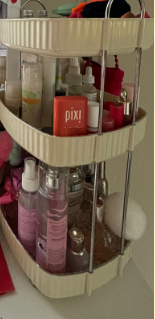
A collection of skincare products
The Downsides of Skincare
Although skincare can be helpful for one’s skin, it can also be severely harmful if misused. Common skincare ingredients such as retinol, various peptides, and chemical peels can worsen acne, cause scaly skin and itchiness. Using anti-aging products as a teen can also cause allergic reactions in adolescent skin.
According to the National Library of Medicine, only fifteen percent of cosmetic products go through testing to see if they cause cancer, and sixty five percent of companies prioritize money over product safety. Certain metals in skincare products can even be absorbed through the skin and enter the bloodstream, causing heavy metal poisoning– which can result in vomiting, diarrhea, dehydration and more uncomfortable symptoms. Fatal symptoms even include damage of organs like the heart and brain, breathing difficulty and increasing risk of cancer.
Many popular products can also be ineffective for some people. Sadhika Pasikanti, a sophomore at MHS agrees.
“I thought that the Arencia mochi cleanser would be really good [but] even though it refreshes my face and helps in the way it’s supposed to, I haven’t seen all the differences that I thought it would make,” Pasikanti said. Gandagatri feels similarly.
“I feel like simple skincare brands keep their products consistent..but others produce so much for an ungodly amount of money to profit off of other peoples insecurities […] Beauty industry, stop building off of people’s insecurities and instead build off of what people feel the most confident in,” Gandagatri said.
Conclusion
Skincare has taken the world by storm. With an industry value of 112 billion US dollars, skincare is used by many. It has been shown to reduce signs of aging, hydrate skin and protect the skin from harmful UV rays, amongst other benefits. However, skincare has also been found to contain toxic ingredients that are not only harmful for the skin, but the whole body, including many popular skincare products.
When asked if skincare is a scam, Anandan responded, “I don’t think it’s too much of a scam, because it can actually work if you find the right products for your type of skin. But the price could be lowered a little more, as skincare is very essential for people in general, so making them more affordable would be great.”
The skincare industry, like any other, has its flaws and strengths. With the difference of skin types, sensitivity and age, finding the right skincare products for one’s specific skincare needs can be challenging. Certain products may not work for one’s skin depending on the function the product was made for. However, by researching ingredients and brand credibility, skincare can be something that is useful to our lives, but only if we approach it critically like any other thing we buy.