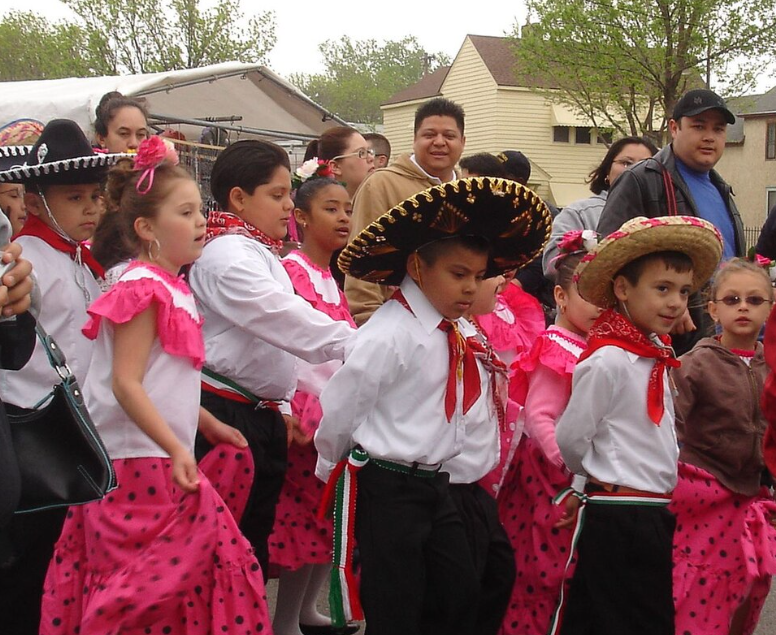
You may have recently seen some people—most of whom are Hispanic—dressed in charro suits or “baile folklórico” skirts for Cinco de Mayo, or you may have seen others eating Mexican and Tex-Mex dishes, like tacos, enchiladas and churros, or drinking alcoholic beverages and celebrating, but do you know why people observe Cinco de Mayo?
Cinco de Mayo actually celebrates Mexico’s win against the Second French Empire on May 5, 1862 near what was then known as Puebla de los Ángeles. The first ever celebration of Cinco de Mayo happened that same day in Columbia, California. Four days later, president Benito Juárez announced that May 5 would be known as Battle of Puebla Day. Today, Mexican citizens do not commemorate the Battle of Puebla as a national holiday, although it is an official holiday in the state of Puebla and all public schools are closed nationwide.
The following paragraph has a lot of fun facts I learned about Cinco de Mayo:
In 2013, $600 million worth of beer was purchased for Cinco de Mayo in the States, more than was purchased for the Super Bowl alone. Los Angeles, California’s Cinco de Mayo celebration is actually bigger than Puebla, Mexico’s celebration. This year, Cinco de Mayo fell on a Tuesday, leading to many restaurants offering taco specials. Some cities in the U.S.—take Denver, Colorado and Chandler, Arizona for example—hold an annual Chihuahua Race! Many people believe that Cinco de Mayo celebrates Mexican Independence Day, but that is false. Mexican Independence Day falls on September 19. You might think that Mexico’s victory over France lasted forever, but on May 17, 1863, 377 days later, France would take Puebla under the command of Élie Frédéric Forey. The national food for el Cinco de Mayo is neither tacos, nor is it enchiladas, nor is it guacamole. It’s mole poblano, a bitter chocolate cream with chili peppers and other spices.
Now that you have learned some fun facts about Cinco de Mayo, you can celebrate the beloved Mexican holiday next year with a little more accuracy. Have a great rest of the school year, and ¡que viva México!