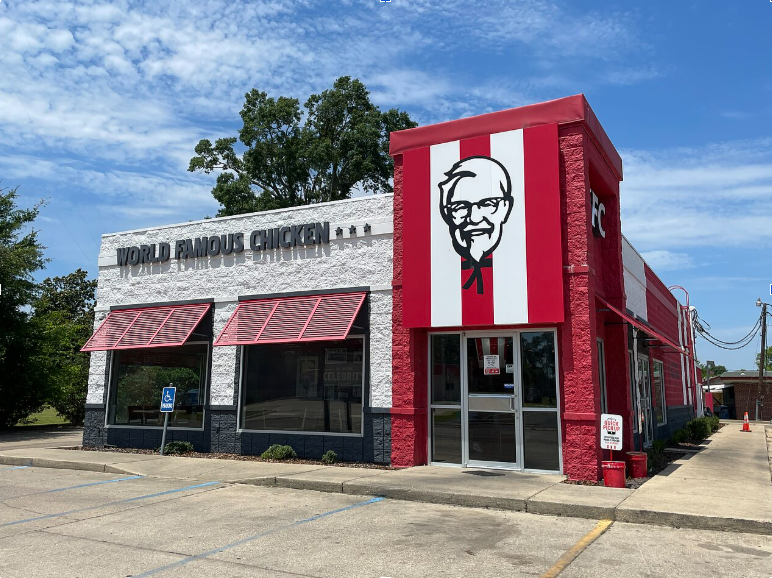
My go-to order at Kentucky Fried Chicken (KFC) is mashed potatoes and, of course, chicken. It’s familiar, comforting and something millions of Americans instantly recognize. But KFC isn’t just a fast-food stop—it represents a turning point in American business history. According to Wikipedia, KFC’s story begins during the Great Depression, when Harland Sanders sold fried chicken out of his roadside filling station in Corbin, Kentucky. With few options available, Sanders perfected his recipe and developed a pressure-frying method that cooked chicken faster while keeping it flavorful.
In the 1950s, when a new interstate bypassed his restaurant, Sanders faced a life-changing setback at the age of 65. Instead of giving up, he took his recipe on the road, pitching it to restaurant owners across the country. His simple franchising model—a handshake deal for a small commission per chicken sold—led to the opening of the first franchise in South Salt Lake, Utah, in 1952. By 1964, the business had grown so quickly that Sanders sold it for $2 million, laying the foundation for the international brand we know today.
Currently, KFC faces a different kind of challenge. As competition increases and customer expectations change, the company has begun modernizing to remain relevant. This includes updated restaurant designs, self-ordering kiosks, digital marketing and menu innovations aimed at younger consumers. However, this shift has not been without criticism. Some long-time customers feel that the focus on speed, technology and novelty has come at the cost of food quality and service. KFC now must balance innovation with tradition, proving that growth does not have to mean losing its identity.
KFC’s moment in history began in the 1930s when Colonel Harland Sanders turned a small roadside operation into a business built on perseverance, adaptability and a commitment to quality. After losing his original restaurant, Sanders transformed failure into opportunity by creating a franchising model that revolutionized the fast-food industry. Today, KFC continues to evolve, facing modern challenges while relying on the legacy built nearly a century ago. That ability to adapt—from a gas station kitchen to a global brand—is the true moment in history that made KFC more than just fried chicken.