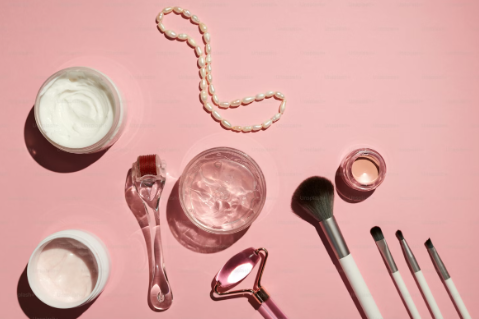
As young as 12 years old, children begin to seek makeup. It starts with old clumpy mascaras, without knowing this is a pivotal moment in one’s life.
Scrolling through TikTok to find the perfect concealer to cover your pimples, online debates about whether thirty dollars for a lip gloss is really worth it and the newest makeup products are always at the top of everybody’s holiday wishlists.
80% of women and 45% of men use makeup daily. It’s clear that makeup has become integrated into many people’s daily lives. With the rise of social media marketing and influencer ambassadors, the cosmetics industry is generating more profit than ever, projected to grow 5% annually until 2030. As makeup rises in popularity throughout the world, its psychological effects on users are bound to be seen, especially regarding self-confidence and image. This raises the question, does makeup ruin our self-esteem?
Makeup and its Benefits for Self-Esteem
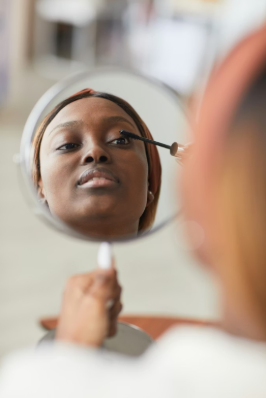
On one hand, makeup can help users feel more attractive and confident in themselves. A study from the National Library of Medicine showed that about 49 out of 132 American women in college said they started using makeup because they felt unsatisfied with their physical appearance. Another study showed that many female users felt prettier, more feminine, and more positive about their self-esteem when using makeup. Makeup has also been shown to increase performance and socialization. YouGov reported that 49% of women use makeup to enhance their confidence. Geena Gandagatri, a sophomore at MHS, agrees.
“I feel like I’m fully ready for the day when I take the time to ‘dress up’ and it makes me look good, which makes me feel good about myself […] when I’m done with my makeup, I feel good,” Gandagatri said.
Makeup and its Detriments to Self-Esteem
On the other hand, The National Library of Medicine found that women who self-object themselves more are likely to pay more attention to their physical appearance. Self-objectification is when a person sees themselves for only their body rather than their humanity. Various influencers featured in an article by Refinery29 expressed how they were so dependent on makeup for confidence that they felt they couldn’t go a single day without wearing it. This shows how heavy reliance on makeup can damage self-esteem and cause makeup to become a necessity rather than a form of creative expression or a hobby. Caroline Helf, another sophomore at Middleton, shares the view.
“I think people use it [makeup] to feel more like themselves. If they have low self-esteem they might use more of it, but they also might use it to be creative or highlight things [physical features] they like,” Helf said.
Conclusion
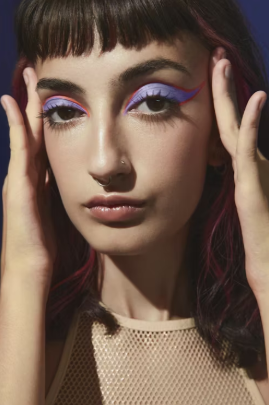
Makeup is, quite literally, everywhere in modern society. From being featured in social media to being available in almost every convenience store, makeup is integrated into our everyday lives. Whether a makeup routine consists of occasional mascara or a full face routine daily, the impact that makeup has on someone’s self-esteem cannot be denied.. Makeup has a wide range of uses, and users can put on a little glam before school or make a living off of makeup art. Ultimately, makeup doesn’t have to be good or bad, but rather a tool that can be used however you’d like.