With the second semester just beginning, summer can feel desperately far away. But for some summer camps, applications begin in the fall—as early as November—and close in the spring. While wilderness retreats and lakeside camping are popular ways to spend the months of June, July or August, another type of summer activity exists: precollege programs. Primarily academic, these several-week-long stays at colleges and universities around the country provide a glimpse into school after high school graduation and enrichment in specific subjects. In my three summers before graduation, I attended a range of academic summer programs, from the East to West Coast, in person and virtual. So before you go ahead and fill out endless applications, read this article for the good, the bad and the verdict on precollege programs.
The Good
Exploring a New City
Like any vacation—which, despite the fancy packaging, is the core of sleep-away programs—staying in a new city is a chance to explore. Popular precollege programs are even held overseas, at universities such as Oxford, England. It’s worth noting that these historic venues are often just that—venues—with third parties renting out spaces to host students. Regardless, you can stay in a new city or even a new country. The amount of free time and free reign given to students differs by summer program.
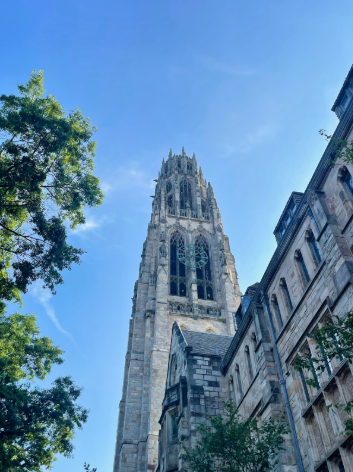
At Yale Young Global Scholars (YYGS), officially held by Yale University in New Haven, we had strict boundaries and only a few blocks of campus to explore. Rules are generally stricter in cities where safety is a concern, such as New Haven, or, if the University of Pennsylvania interests you, Philadelphia. On the other hand, at Harvard Summer School, we were allowed to go almost anywhere within Cambridge and even, occasionally, Boston. If having freedom to explore shops and streets is important to you, make sure to read the policies around free time and movement for each summer program you apply to. Some of the fondest non-academic memories I have made at summer camps have been while trying new restaurants or exploring old bookstores.
Campus Culture
Before you apply to college, you probably often hear advice to ‘tour the college!’ But I would go a step further: go live at the college for several weeks. Even if it isn’t the college you eventually apply to or attend, going to a university and living in their dorms is one of the best ways to figure out which university aligns with your tastes. For example, what kind of city surroundings do you prefer? While Harvard is located in Boston, a bustling city that blends into the campus, Yale’s campus is much more gated, with fewer city centers nearby. Being in a real university environment while learning can help reveal whether you prefer a busier or more secluded community. Even more likely, living in the dorms and eating in dining halls can reveal your tolerance for bad rooms or bad food. Yale’s dining halls served some of the most delectable meals; if you find yourself looking forward to lunch more than lessons, it might be a reason to prioritize the quality of culinary services at your future university. Similarly, if the summer heat is unbearable in rooms without air conditioning, you might consider a more temperate environment or renovated living quarters. In any case, trying university life out reveals more about your preferences than reading reviews or watching dorm tours ever will.
Practice Independence
While a sleep-away experience at any wilderness camp can also teach you independence, managing your own studies while balancing social time and navigating a large campus offers a taste of the independence that being a college student requires. Though the level and expectation of self-management varies by camp —at YYGS and at Stanford Humanities Institute (SSHI), we were often walked to class together in the mornings, though afternoons had more freedom—living alone and having responsibilities such as assignments and homework is a great way to prepare for college. Living in the dorms can also help prepare you to pack for college: a shower caddy, a fan and a huge water pitcher become quick essentials.
Motivated Peers
The most gratifying part of summer programs is, without a doubt, the people you meet there: interesting peers and staff passionate about the same subjects as you. For most precollege summer programs, there’s an application process. YYGS requires activities, transcripts, and a recommendation to even be considered for admission. Most application processes mirror that of the college admissions process, which is not a bad way to practice writing personal statements or asking for recommendations. That also means the cohort of summer program students is made up of highly successful, motivated peers. While it can seem intimidating at first, friendships form quickly and often endure far past the two or three weeks you are on campus together. Even now, I regularly chat with friends from summer camps, some of whom are now going to the same college as me. The staff, whether undergraduate or graduate students or professors at the university, are equally interesting people. Even though you may not be able to connect with staff the same way you do with peers, meeting and talking with scholars in your future field is an enlightening experience.
Testing the Waters for Your Future Studies
Most summer programs are class-based, or at least topic-based. At YYGS, I participated in the Politics, Law, and Economics track; other tracks included science and art-centered courses. While I was there, I was able to take a range of classes on subjects from the philosophy of war to the economics of sustainable degrowth. Academic precollege programs are a great way to examine your interest in different fields of study or even narrow it down through very specific programs. At Harvard Summer School, I took a specific course—also offered to undergraduate students at the university—on legal regulations surrounding emerging technologies. I found myself intrigued by the topics discussed, which prompted me to choose politics as a prospective major. On the other hand, attending Iowa Young Writers’ Studio (IYWS) online revealed to me that I wasn’t a fan of solely studying literary analysis without the broader theories and data that politics offered.
The Bad
Money, Money, Money
You might wonder what motivates these highly prestigious universities to offer programs for high schoolers, many of whom will be rejected from their undergraduate classes. The answer could be charity, or a willingness to help high school students grow, but the main answer is profit. There are a few highly selective summer programs that are entirely free, such as the Telluride Association Summer Seminar (TASS), but most precollege programs can cost anywhere from $6000 to $8000 for two to three weeks, including room and board. Of course, financial aid is available, but most students at summer programs—or more specifically, their parents—still pay the full cost. Whether that exorbitant amount is worth 14-21 days of studying and fun at a famous university is up to you.
Similar(ly Rich) Students
The high cost barrier leads us to our next point: though precollege programs are filled with highly motivated, highly successful students, many come from middle or upper-class families. Some summer programs, such as YYGS, place more emphasis on curating a diverse class (especially geographically; I made friends from Germany, Nigeria and Kazakhstan) while others, such as SSHI, focus more on merit-based academic achievements, leading to a very similar cohort of students. Of course, that’s not to downplay the wide range of backgrounds, viewpoints, and cultures represented; even economically speaking, there are still students who receive financial aid—just a smaller percentage than in daily life.
Endless Applications
As previously mentioned, more competitive and well-known precollege programs require rigorous applications to be considered for admission. That doesn’t mean it’s impossible or even hard to get in, and there’s no harm in applying. On the other hand, it does mean committing a certain amount of time to writing essays in response to prompts and cataloguing your activities. That is especially true if you apply to multiple programs, which most students do in the hopes that at least one will end up displaying a ‘Congratulations!’ when decisions roll out in the spring. If there are more important priorities you have for the semester, then applications might be a downside to summer programs. Otherwise, I still believe it’s a great way to practice the skills you’ll eventually use when applying for undergraduate admissions. Also, a great way to get used to rejection.
Late Decisions
Though not a hugely important point, the decisions for summer programs often come out late spring—April, and even into May. This makes it difficult for families to plan vacations around the possibility of summer camps, especially multiple. To minimize the impact of summer programs on your other travel, vacation, or work plans, try to apply for sessions that are on similar dates—for example, all in July, or all in early August. That way, you’re able to make summer plans even while being unsure about whether your first two weeks of August will be occupied.
Trading Off Time
Summer is the longest break of the school year and the most flexible. You’re able to do almost anything during those three months: work, play, travel, and so on. Going to a summer camp across the country can fragment the rest of your summer and make it difficult to do other activities, like committing to training for a sport or working for the full three months. Ultimately, the product of summer camps is much less material—money, personal or skills improvement—and much more experience based. Realistically, earning $5000 by working part-time is a much better use of time and money than spending $5000 to explore a college campus for two weeks. I think one of the biggest myths about summer programs is that they guarantee or greatly boost your chances for admission at a top university. This is absolutely untrue. If summer program attendees are successful, it is because the selection process only admits students who are bound to gain admission into Yale or Stanford itself. If you’re hoping to go to a top college, a 3-month internship would likely look better on your file than a 3-week paid program.
The Verdict
Having read through this entire article, I hope you already have your own verdict in mind. But to sum it up: if you are able to afford it and are interested in the subjects offered, certainly apply for these programs. On the other hand, if there’s something more productive and less expensive you can do with your break, then perhaps think twice before taking the time to apply. In any case, make the most of the summer!