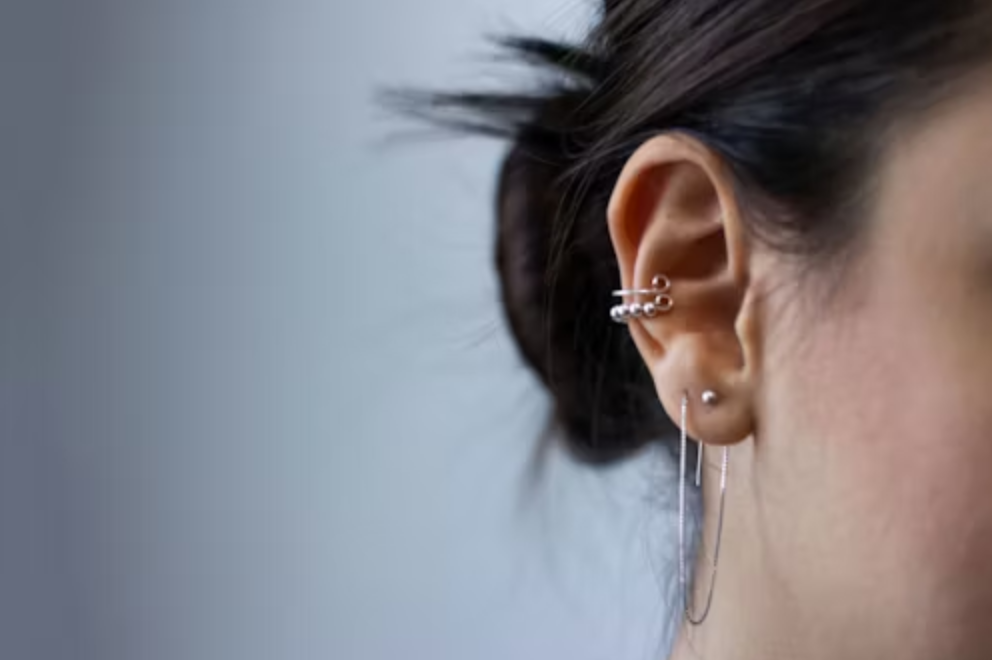
Did you know that in many cultures, babies can get their ears pierced as young as six weeks old? In some African cultures, piercings can symbolize a new chapter of someone’s life, high social status, wealth or beauty. They are also a popular form of self-expression. About 64 percent of men and 84 percent of women in the US have lobe piercings, making them the most common type of piercing nationwide. Other common types of piercings include helix, nasal, navel and more.
Although piercings can be stylish and can make one feel more confident and beautiful, it’s important to understand the anatomical side of piercings and what really happens when the needle goes through your skin so that you can prevent infection and be more informed when making decisions about piercings.
The Stages of Having a Piercing
When you first get a piercing, the area will enter the first stage: inflammation. Blood flow will increase in this area of the body, which is why a piercing at this stage will be swollen and warm. White blood cells will also stay around this area of the body so they can prevent any infections that could possibly happen. The inflammation stage typically lasts a day to a week, depending on where the piercing is.
The next stage is proliferation. This is when the tissue around the piercing area starts to regenerate. Collagen production will increase, forming new tissue. The skin around the piercing will feel firmer and stronger, compared to the tenderness and fragility of the previous stage. This stage typically lasts between a week and three months.
The final stage is maturation. This stage length varies from three to twelve months, depending on the location of the piercing. The tissue around the piercing will become stronger and less prone to infection. Scar tissue forms in this stage to act as a protective layer.
Healing/Aftercare
Different piercings vary in healing times. Some piercings can heal within six weeks, while others take up to a year. There are many factors that contribute to how fast a piercing heals, such as the thickness of the tissue, the size of the piercing and your body’s own healing time.
It’s important to clean your piercing to prevent infection. For aftercare, sterile saline is recommended by the Association of Professional Piercers, as it cleans dirt, debris and other harmful things that might come in contact with your piercing.
The Most Common Types of Piercings
As mentioned previously, earlobe piercings are the most common type of piercing. They are often described as the least painful and are usually the first piercing that many people get. There are about 17 different types of ear piercings, including standard lobe, daith, helix and forward helix, amongst others. Each type varies in pain level and healing time, based on the thickness of tissue and how sensitive the area is to pain.
Nose piercings are also very common, especially in South Asian cultures, as they symbolize caste pride. A nostril piercing is one of the most basic nose piercings. Others include septums, bridges and more. When you get a nose piercing, a person’s eyes will often water due to the connection between the nasal bones and sensory nerves.

Belly piercings, also known as navel piercing, take about 6-8 months to heal initially and a year to heal completely. Certain types of belly piercings have specific conditions that need to be met. For instance, a traditional navel piercing requires a ridge of skin for the jewelry to hold on to. Other variations of navel piercings for those who do not have a pronounced ridge of skin include floating and double navel piercings.
Conclusion
Piercings can be a very fun way to express yourself. From this article, hopefully you learned something about a piercing you want to get in the future or how to take better care of your current piercing.